Skip Navigation or Skip to Content

COMMERCIAL

Empowering Business
with Commercial Solar Solutions

New Zealand businesses have a lot to gain by adopting solar energy. Here, we explain how solar can improve everything from your bottom line to your public image, even to a business that’s just leasing their commercial space.

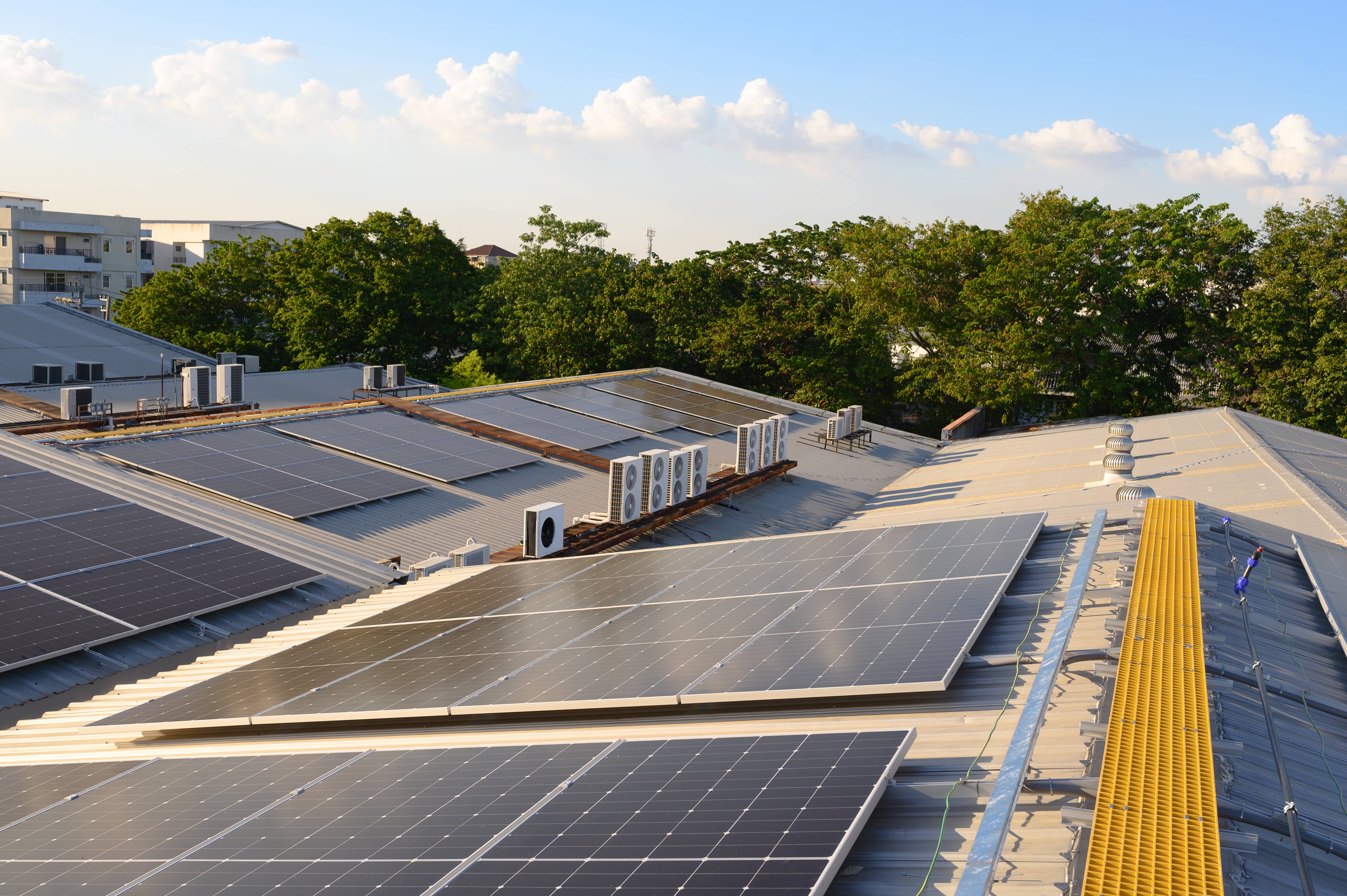
commercial-building-solar-panels-hvac-rooftop-installation-min

HOW MUCH WILL IT COST TO GO SOLAR?

Check out these average savings costs for different business sizes

Every business is different, however here's what we have traditionally found to be the case.

Frankton 6kW

Small commercial buildings

(such as dairies, retail stores, mechanics)

  • The total savings on your electricity bill over 25 years = $195,949.
  • Based on a daily usage of about 250kWh, it would take 5.33 years to pay off.*
  • The net present value = $43,336.
  • The annual internal rate of return = 19%.

*Based on 25c per/kw unit and 4.8kw daylight hours

commercialsolar

Medium commercial buildings

(such as offices, health clinics, and restaurants)

  • The total savings on your electricity bill over 25 years = $326,582.
  • With an average daily power consumption of 450kWh, it will take 5.11 years to pay off.*
  • The net present value = $74,693
  • The annual internal rate of return = 20%

*Based on 25c per/kw unit and 4.8kw daylight hours

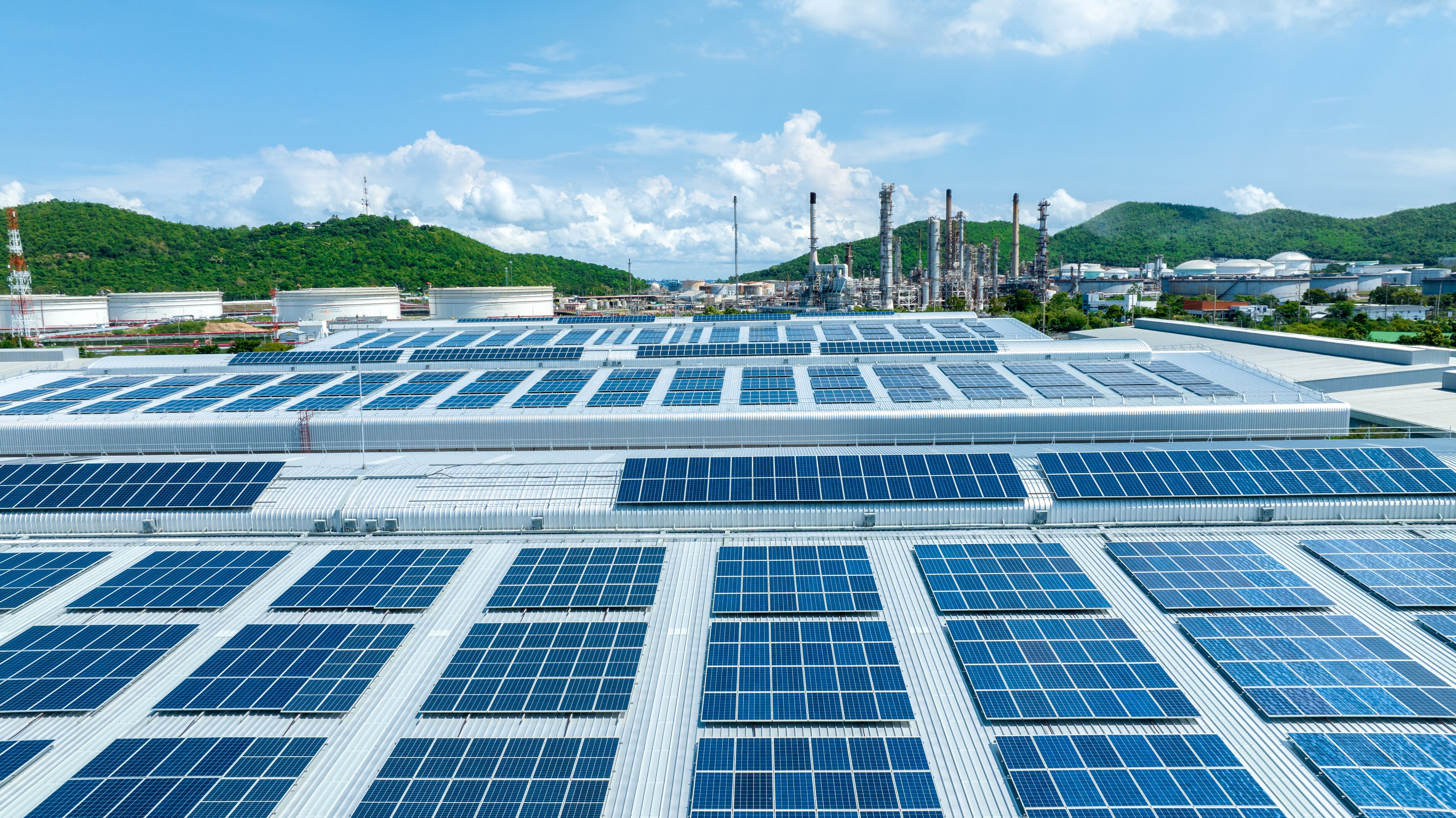
industrial-rooftop-solar-panels-renewable-energy-factory-min

Large commercial buildings

(such as hospitals, factories and corporate headquarters)

  • The total savings on your electricity bill over 25 years = $391,898.
  • With an average daily consumption of 600kWh, the solar system would take 5.08 years to pay off.*
  • The net present value = $90,071
  • The annual internal rate of return = 20%

*Based on 25c per/kw unit and 4.8kw daylight hours

Frankton 6kW commercialsolar industrial-rooftop-solar-panels-renewable-energy-factory-min
/ 03

Small commercial buildings

(such as dairies, retail stores, mechanics)

  • The total savings on your electricity bill over 25 years = $195,949.
  • Based on a daily usage of about 250kWh, it would take 5.33 years to pay off.*
  • The net present value = $43,336.
  • The annual internal rate of return = 19%.

*Based on 25c per/kw unit and 4.8kw daylight hours

Medium commercial buildings

(such as offices, health clinics, and restaurants)

  • The total savings on your electricity bill over 25 years = $326,582.
  • With an average daily power consumption of 450kWh, it will take 5.11 years to pay off.*
  • The net present value = $74,693
  • The annual internal rate of return = 20%

*Based on 25c per/kw unit and 4.8kw daylight hours

Large commercial buildings

(such as hospitals, factories and corporate headquarters)

  • The total savings on your electricity bill over 25 years = $391,898.
  • With an average daily consumption of 600kWh, the solar system would take 5.08 years to pay off.*
  • The net present value = $90,071
  • The annual internal rate of return = 20%

*Based on 25c per/kw unit and 4.8kw daylight hours

What it takes to be a smart business

A smart business is one that embraces the following three principles:

Principle 1: Is efficient in managing cost savings
Principle 2: Constantly considers the future and drives innovation
Principle 3: Builds long-term loyalty in customer and employee relationships

Principle 1

Is efficient in managing cost savings

The costs of traditional power usage is going up, with no end in sight. In late 2017, it was reported that electricity costs had risen to the second highest level they’ve been in 13 years. Some businesses are spending a substantial amount per month on power - but solar can help.

Solar can reduce your power bills and increase your cash flow

Solar enables huge savings on utility costs and provides power to essential business functions, from running computer servers, and large electronics, through to lighting, refrigeration and heating.

With the right solar system, businesses can shift what they would once spend on energy bills into other areas of the business that need it most. Solar power fixes power costs for 20-25 years at a low, very slowly-appreciating rate. The more you pay per kilowatt of energy now, the more you can expect a cash-neutral result with solar.

With leasing and finance options you could even be immediately cash-positive.

commercial-building-solar-panels-hvac-rooftop-installation-min

Principle 2

Constantly considers the future and drives innovation

To be forward thinking and innovative, companies need to be committed to developing their business with unique practices. Structuring your business with sustainable practices is one way to do this. 

Switching to solar also allows you to lead the charge in your business community towards a greener New Zealand - initiatives that aren’t just good for your business, but the environment as well. Solar is a renewable energy which contributes to a lower carbon footprint, as well as less water pollution and waste from the by-products of fossil fuel consumption.

Future-proofing your business with solar

Solar panel systems can last 25 years or more, with minimal maintenance required, helping improve your ongoing operating costs. And with the increased capital that solar makes available, you’ll be freer to make new investments and focus on business growth.

Principle 3

Builds long-term loyalty in customer and employee relationships

Forward thinking companies aren’t just thinking about their bottom line, they’re also aware of cultivating a healthy brand perception.  Customer loyalty and employee engagement can only increase if the perception of your brand is positive.

These days, a clean, green image plays a big part in nurturing that perception.

In conclusion...

A business that runs on the sun is a business ready for New Zealand’s future

Solar power is more than just a way to give your bottom line a huge boost. It can provide a serious competitive edge in terms of potential consumers and job seekers. And it makes you a leader in clean energy while unshackling your business from reliance on costly, dwindling fossil fuels.

To learn how well your company is likely to perform with solar energy, ask about our performance guarantee. Take the first step today towards realising your company’s potential as a solar-smart New Zealand enterprise.

WHY WORLD SOLAR?

Want to save money and future-proof your business?

Deal with experts

Over 20 years solar experience across homes, businesses and farms.
A nationwide team of highly skilled solar technicians and engineers.
A total focus on solar - it’s all we do.

Commercial Solar Maintenance

Seriously good service

14 locations nationwide.
Friendly knowledgeable experts.
Ongoing support with your solar system.
Best in class warranties.
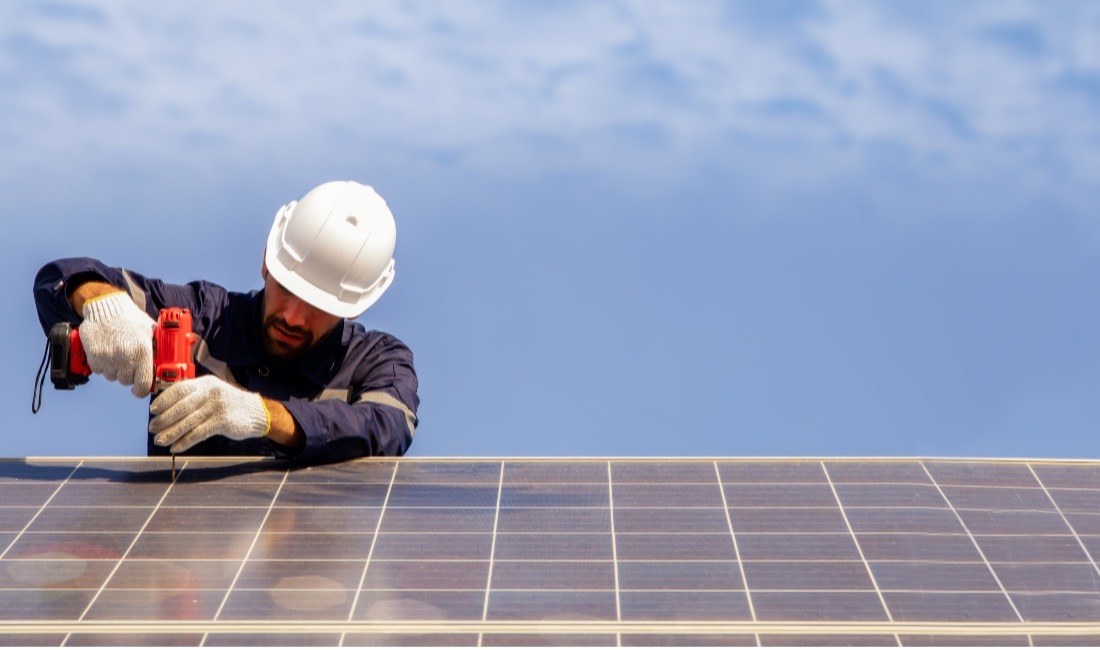
solar installation

Best brands, best price

Only the best brands at the best prices.
No hidden set up or maintenance costs, ever.
Monthly savings from day 1.
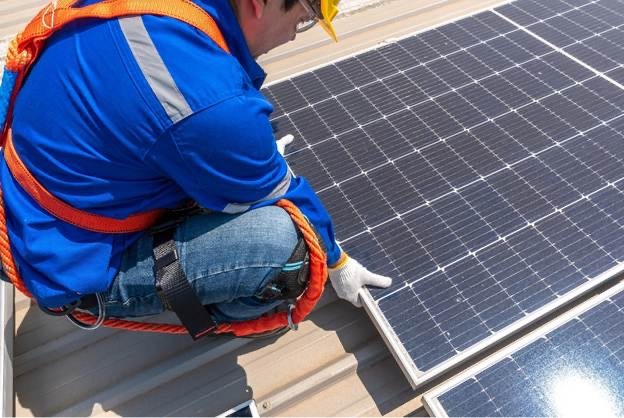
solar on roof

FAQ

Have Questions?
Ask Us

What are the benefits of solar for commercial buildings?

Solar offers several benefits for commercial buildings, including lower electricity costs, as businesses can generate their own power and reduce reliance on the grid. It can also improve energy efficiency and provide more predictable energy expenses over time. Installing solar demonstrates a commitment to sustainability, which can enhance a company’s brand and appeal to environmentally conscious customers and partners. In addition, solar systems can increase property value and provide long-term financial returns through energy savings.

How much does commercial solar installation cost in NZ?

The cost of commercial solar installation in New Zealand depends mainly on the system size and complexity, Larger systems generally have a lower cost per kW due to economies of scale, and many NZ businesses see a payback period of around 4–7 years through electricity savings.

What is the average payback period for commercial solar?

The average payback period for commercial solar in New Zealand is typically around 4–7 years, depending on factors such as system size, installation cost, electricity prices, and how much of the generated power the business uses during the day. Businesses with high daytime electricity use usually achieve a faster return because they consume more of the solar energy they generate rather than exporting it to the grid. After the system has paid for itself, it can continue producing low-cost electricity for another 15–20+ years, providing long-term savings.

Do I need planning permission for commercial solar panels?

In most cases, commercial solar panels in New Zealand do not require planning permission if they are installed on an existing roof and meet local council building rules. However, you may need building consent or council approval if the installation significantly alters the structure of the building, exceeds certain height limits, or is located on a heritage or protected property. It’s also important to ensure the system meets electrical and grid connection requirements with your electricity distributor.

Can I get solar panels for a multi-tenant building?

Yes, solar panels can be installed on multi-tenant buildings such as offices, retail centres, or apartment complexes, but the setup is usually structured differently than a single-tenant system.

What warranties come with commercial solar installations?

Most commercial solar systems are protected by long warranties on panels (25-30 years), shorter warranties on inverters (about 10 years), and installer workmanship guarantees, ensuring long-term reliability and performance.

Can solar panels power refrigeration and HVAC systems?

Yes, solar panels can help power refrigeration and HVAC systems in commercial buildings. Solar systems generate electricity during the day, which often aligns well with the operating hours of cooling, refrigeration, and air conditioning equipment. This allows businesses to run energy-intensive systems using solar power, reducing reliance on grid electricity and lowering energy costs. If additional power is needed, the grid automatically supplies the difference, and batteries can also be added to store energy for use later.

What maintenance is required for commercial solar systems?

Commercial solar systems require minimal maintenance, but regular checks help ensure they operate efficiently and safely. This typically includes periodic cleaning to remove dirt, dust, or bird droppings that may reduce performance, especially in dry or dusty areas. Businesses should also carry out visual inspections to check for debris, shading, or any damage to panels and mounting systems. Monitoring the system through the inverter or monitoring software helps identify performance issues early, and a professional inspection every few years can ensure wiring, connections, and components remain in good working order. Overall, commercial solar systems are designed to be low-maintenance and long-lasting, often operating for 25 years or more.

How do I monitor my commercial solar system performance?

You can monitor your commercial solar system performance using solar monitoring software connected to the inverter. Most systems include a web portal or mobile app that shows real-time and historical data such as energy production, system performance, and electricity usage. This allows you to track how much power your system is generating, identify any performance issues, and measure energy savings.

Solar installation

The process of future proofing a commercial building

Even if you don’t own your building, you can still often make solar work. You may have one or more of these options at your disposal:
  • Negotiating with your building’s owner to buy the solar system from you.
  • Transferring lease repayments to the next tenant.
  • Taking the solar system with you when you leave.
  • Bringing your whole building together to go green.
image world solar 1
Setting_Icon

Step 1. The initial consultation:

On an initial consult, the consultant will learn how your business runs and help determine a satisfactory ROI from solar.
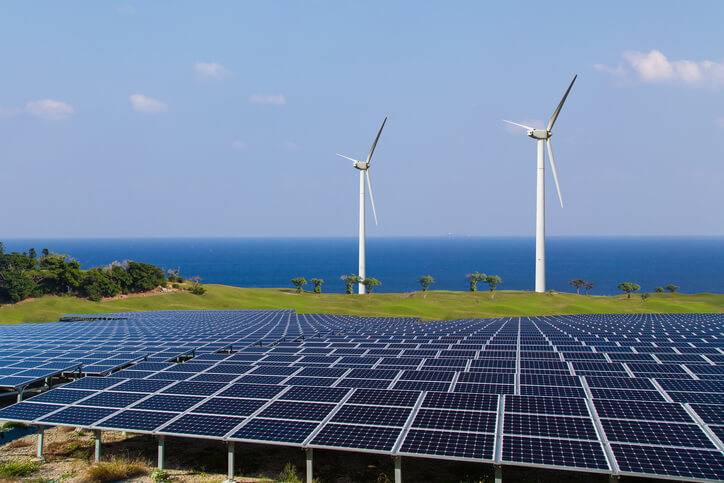
Sustainable agriculture in New Zealand
Setting_Icon

Step 2. Asses your energy requirements:

The solar company will then review your power bills from the past 12 months to assess your energy demand patterns throughout the year, so they can design your system to yield the best power savings.


Note: If you’re efficient with power usage, you could end up earning credits by sending extra energy to the grid.
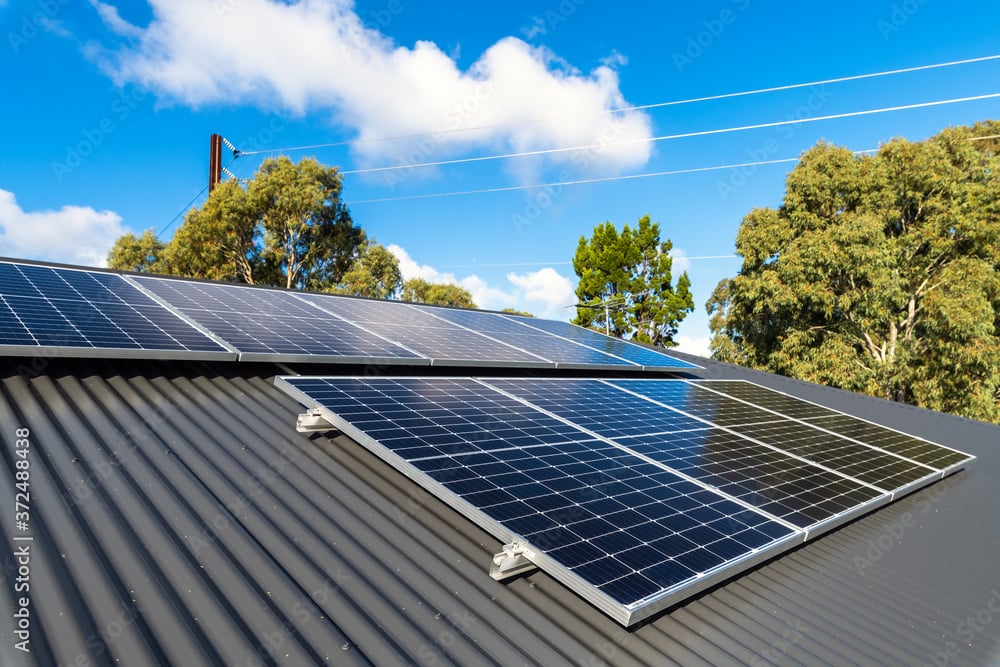
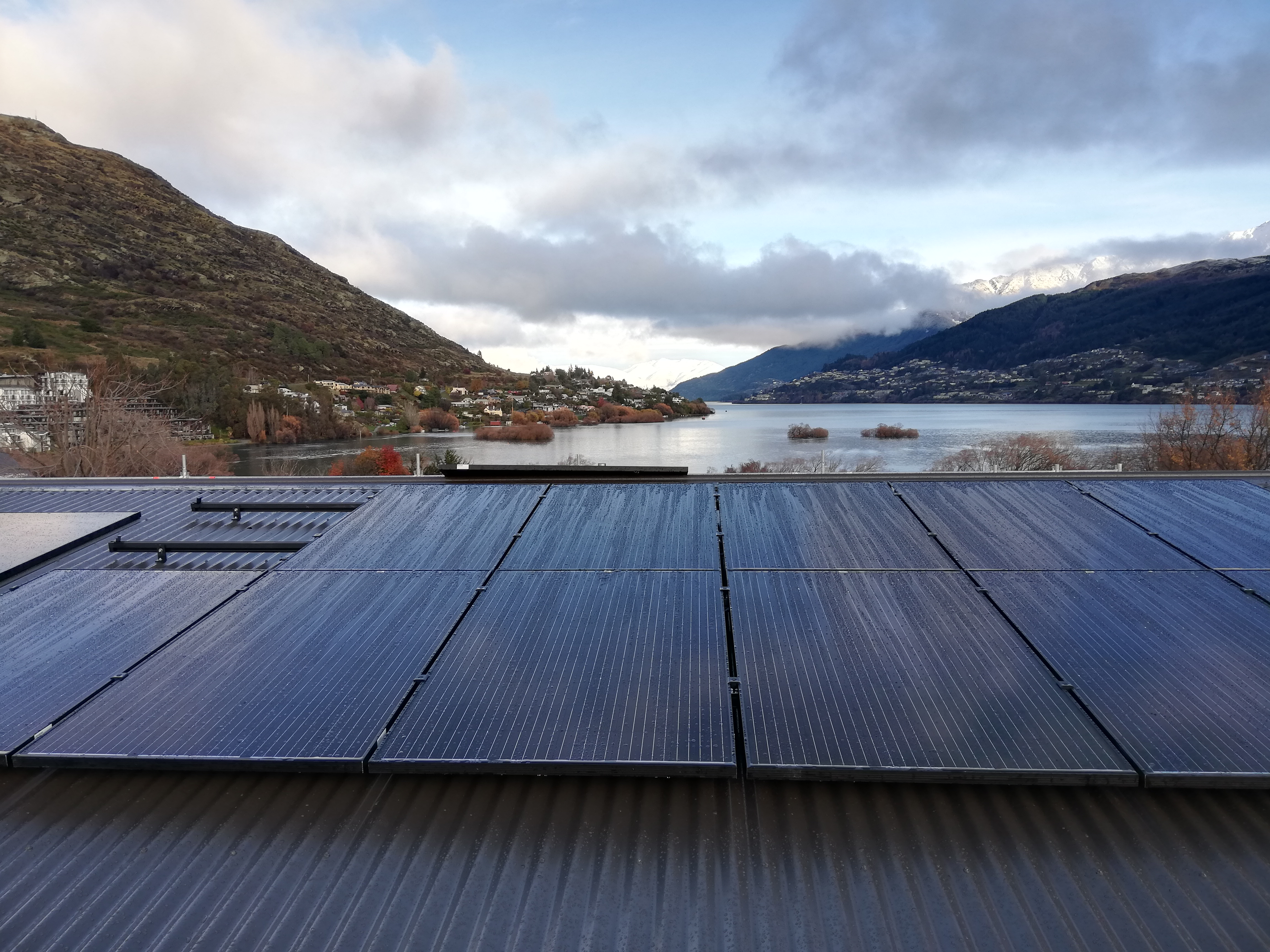
new solar panels on metal sheet roof
Setting_Icon

Step 3. Contract and network approvals:

Once you sign off on the contract, network approvals come next — the solar company should handle the process on your behalf.

solar installation
Setting_Icon

Step 4. Fitting your system:

Then comes the installation of your system. Your company should create a schedule of the end to end process which will help your business be prepared and continue to operate as per normal.

OUR TRUSTED BRANDS

Working with only the best brands in the business

You may not recongnise them, but we do. 
These brands power the solar revolution not just in New Zealand, but across the world.
sma-sept-21
longi-logo
Entelar-Energy-412
Tesla-Powerwall-scroller-logo
huawei-sept-21
solarx-sept-21
trinasolar-sept-21
enphase-sept-21
fronius-sept-21
sig energy logo

Why Solar?

Solar for your business just makes sense

  • Save money from day one
  • Help meet your environment and sustainability goals
  • Smart finance and leasing options to suit your cash flow and balance sheet
  • Expert service from experienced consultants and installers
  • Free on-site assessment
  • New Zealand-based team for 24/7 support
  • 25-year warranty for power production

*For more remote areas, we can advise you when we’ll be in your region or quote over the phone to get things started.

part of your community

A proud member of the New Zealand organisations that count

sitesafe-sept-21
prequal_carousel
sustainable-business-network-logo-green-dark
sustainableenergy-sept-21
Ecotricity Logo
sitesafe-sept-21
prequal_carousel
sustainable-business-network-logo-green-dark
sustainableenergy-sept-21
Ecotricity Logo

Want to save money and future-proof your business?

What it takes to be a smart business?

  • Principle 1: Is efficient in managing cost savings
  • Principle 2: Constantly considers the future and drives innovation
  •  Principle 3: Builds long-term loyalty in customer and employee relationships

A business that runs on the sun is a business ready for New Zealand’s future